 Sander Digital Marketing

The complete guide to home service marketing: show up when a neighbor has a problem you fix, look trustworthy enough to call, answer fast enough to book the job. For HVAC, plumbing, roofing, electrical, landscaping, cleaning, and auto.
This guide is the hub for marketing a home service business. It’s organized by channel and by trade, so an HVAC owner, a plumber, a roofer, or a cleaning company can see what matters for them and in what order. If you want to jump straight to your trade, see the industries we serve. If you want the deep dive on Google Maps rankings, start with our local SEO guide for small businesses.
Jump to a section
“Fix it now” and “I’m planning this” need different marketing.
Every home service business deals with two very different customers, and they need different marketing.
Emergency demand is “fix it now.” No heat, no hot water, a backed-up drain, an active roof leak, a dead outlet that smells like burning plastic. These customers search on their phone, call the first credible business they see, and book whoever answers. What wins: showing up in the map pack and ads, a visible tap-to-call button, reviews that say “came out the same day,” and a live person (or an instant text-back) on the other end.
Scheduled demand is “I’m planning this.” A system replacement, a repipe, a new roof, a panel upgrade, weekly lawn care, recurring house cleaning. These customers compare two or three companies, read reviews, look at photos, and ask for estimates. What wins: detailed service pages, proof of past work, clear next steps, and follow-up that doesn’t stop after one voicemail.
Most trades have both. An HVAC company runs emergency repair calls in January and replacement estimates in April. A plumber handles burst pipes at midnight and water heater upgrades on a Tuesday. Good home service marketing covers both without paying emergency-click prices for planned work.
Five layers. Skip one and the rest leak.
Think of your marketing as five layers that stack. Each one makes the others work better. Skip one and the rest leak.
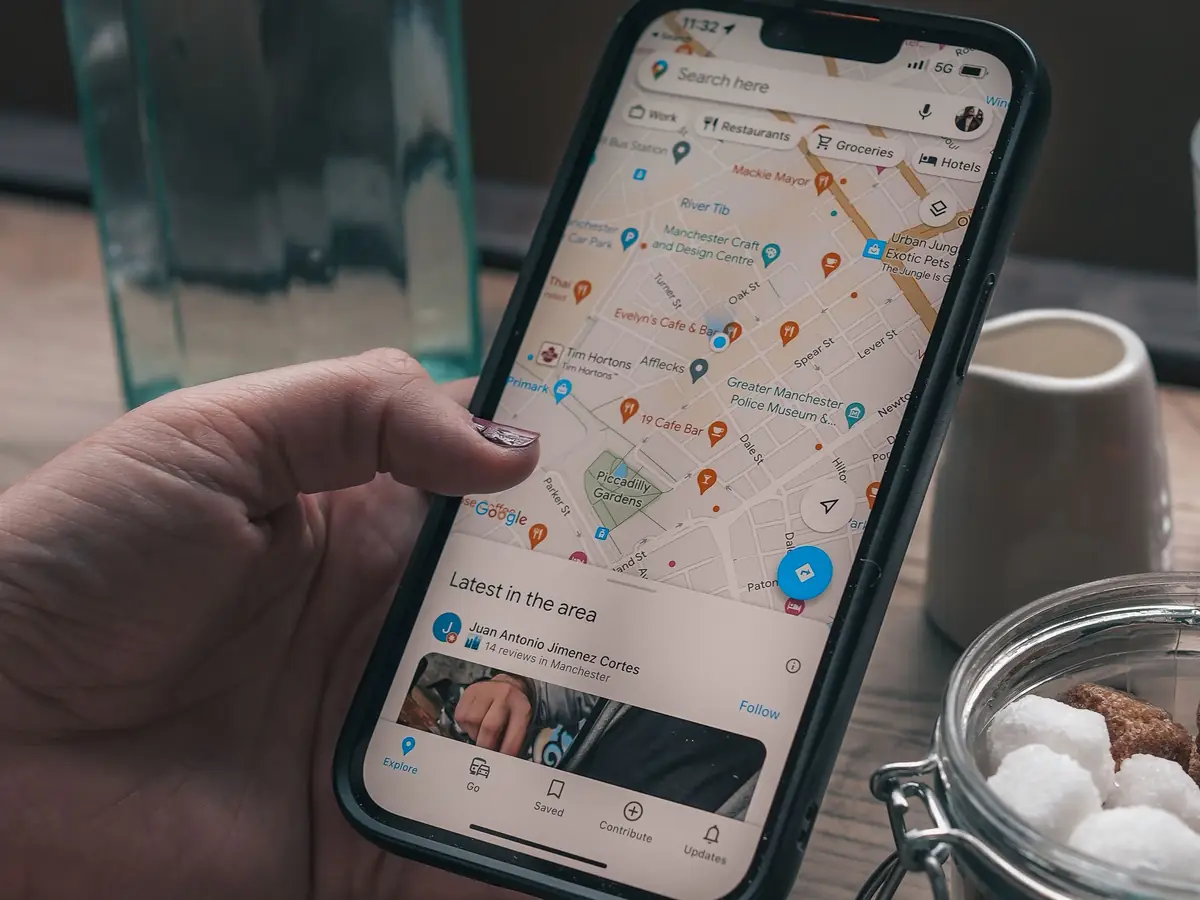
Google Business Profile & the map pack
Your Google Business Profile is the listing that shows up in Google Maps and the “map pack” at the top of local searches. For most trades, it’s the single most valuable free asset you have. Google says local results are based mainly on relevance, distance, and prominence, so accurate categories, real service areas, steady reviews, and fresh photos all matter.
If you don’t see customers at your shop, you’re a service-area business: hide your address and list the towns you actually serve. Our Google Business Profile checklist walks through every field.
Local Services Ads
Local Services Ads (LSA) sit at the very top of many home service searches. You pay per lead (a call or message), not per click, and eligible businesses can earn the Google Verified badge. HVAC, plumbers, roofers, electricians, house cleaning, landscaping, and many other trades are eligible.
One big change for 2026: Google is moving LSA into the Google Ads platform as Performance Max campaigns with pay-per-lead goals. According to Google’s migration notice, select home service advertisers in the U.S. started moving in August 2026, service-area businesses without storefronts follow in late 2026, and the rest move in 2027. Your old LSA performance reports don’t carry over, so save them before your account migrates. Our Local Services Ads guide covers eligibility, ranking, budgets, and the migration in detail.
Google Search ads
Search ads let you show up for the exact jobs you want, in the exact towns you want, at the hours you can answer. They’re the most controllable layer, and the easiest to waste money on. The basics: separate campaigns by service line, a solid negative keyword list, and tracking that tells you which clicks became booked jobs. Our Google Ads guide for small businesses covers setup, and the call tracking and offline conversions guide shows how to feed booked jobs back into Google.
Website & service pages
Every ad click and map-pack tap ends up on your website, so it has to do its job. That means one page per core service (furnace repair, drain cleaning, roof replacement), a tap-to-call button above the fold, real photos, and clear service areas. Generic “Services” pages lose to specific ones. See how to write service pages that rank and convert and how to build service-area pages without creating thin, copy-paste town pages.
Follow-up & reviews
This is where most home service businesses leak the most money. A great map ranking means nothing if the call goes to voicemail at 6:45 p.m. and nobody calls back until tomorrow. At minimum, you need an instant text-back on missed calls, a same-day callback rule, a short follow-up sequence for open estimates, and a review request after every completed job. The full system is in our speed-to-lead guide.
On reviews, ask every happy customer, make it easy with a direct link, and never pay or discount for reviews. Google’s tips to get more reviews prohibit incentives, and the FTC’s rule on consumer reviews and testimonials bans fake reviews and buying positive ones.

Seasonal demand by trade
Demand shifts with the weather, and the right timing depends on your climate. The table below shows typical patterns. Adjust it for where you work: a Phoenix HVAC company and a Minneapolis HVAC company have very different years.
| Trade | Typical busy periods | What to prepare ahead |
|---|---|---|
| HVAC | Cooling season in hot months; heating season in cold months; shoulder seasons for tune-ups | Heating pages and ads before the first cold snap; maintenance-plan pushes in spring and fall |
| Plumbing | Year-round emergencies; frozen and burst pipes in cold climates; water heater failures in winter | Winter-readiness content in fall; after-hours call handling |
| Roofing | Spring through fall in most areas; after hail, wind, and storms | Storm-response pages and inspection offers ready before storm season |
| Electrical | Year-round; generator and surge work before storm seasons; EV charger installs | Pages for high-value jobs like panel upgrades and EV chargers |
| Landscaping and lawn care | Spring rush; fall cleanup; off-season in cold climates | Pre-book spring maintenance in late fall and winter |
| Cleaning | Year-round; spring cleaning; move-in/move-out; holidays | Recurring-plan offers and fast quote follow-up |
| Auto repair | Year-round; pre-winter checks; summer road-trip season | Seasonal service pages and reminder emails |
ENERGY STAR’s heating and cooling maintenance checklist is a good example of the seasonal tasks homeowners are told to schedule. That’s content you can build around.

We’re publishing a month-by-month seasonal marketing calendar for home service businesses later this month. In the meantime, the rule is simple: publish and prepare 4–8 weeks before your busy season starts, not the week it hits.
Measure cost per booked job, not cost per lead
Cost per lead is easy to measure and easy to fool yourself with. A cheap lead that never picks up is worth less than a pricier lead that books a repair. The number that pays the bills is cost per booked job.
Illustrative example (made-up numbers, not a benchmark): You spend $2,000 on ads in a month and get 40 leads, so cost per lead is $50. If 10 of those become booked jobs, your cost per booked job is $200. If a better follow-up process books 16 of the same 40 leads, your cost per booked job drops to $125 without spending another dollar on ads.
That’s why follow-up and tracking aren’t “extras.” They change what every other channel costs. To get there:
- Track calls and forms by source (map pack, LSA, Search ads, organic).
- Mark which leads became booked jobs in your CRM or scheduling software.
- Send booked jobs back to Google Ads so bidding learns which searches turn into work. See call tracking and offline conversions.
- Review booked jobs by source once a month and move budget accordingly.
If you want a sense of what a reasonable lead cost looks like before you have your own data, see what a good cost per lead looks like on Google Ads, then replace it with your own booked-job numbers as soon as you can.
Budget starting points
There’s no universal “right” budget. It depends on your service area, competition, average job value, and how many more jobs your crews can handle. What we can share is how Sander Digital Marketing’s flat-rate packages map to where a business is today:
| Where you are | Package that usually fits | Monthly fee |
|---|---|---|
| Need calls this month and can answer them | Paid Ads Management (Google Ads, Meta, Reddit and more; we can do any platform) | $500 per platform, or 10% of ad spend, whichever is greater (plus your ad spend) |
| Want a lead source that keeps working when ads pause | Local SEO Essentials | $750 |
| Want both, plus follow-up and attribution | Local Growth Engine | $1,250 (includes one ad platform; ad spend is separate) |
| Multiple locations, platforms, or custom funnels | Custom Lead Funnels | From $2,500 |
There’s a $500 one-time setup on Ads, SEO, and Growth Engine, waived with a 6-month agreement. Full details are on Pricing, and the system behind the Growth Engine is explained in the Local Growth Engine guide.
The SBA’s guidance on marketing and sales frames it the same way: know your customer, pick the channels that reach them, and measure what works.
Trade-by-trade quick guides
The five layers apply to every trade, but the priorities shift. Here’s the short version for each. Full industry pages are rolling out this month on our industries hub.

HVAC
Two peak seasons, emergency repairs, high-ticket replacements, and maintenance plans that smooth out the year. Split ads by service line so a tune-up click doesn’t compete with a replacement estimate. Get heating content live before the first cold week. See our HVAC marketing services and local SEO for HVAC contractors.
Plumbing
Emergency-first. After-hours call handling and LSA matter as much as rankings. Build pages for drains, water heaters, repiping, and sewer, and keep a tight negative keyword list so you don’t pay for DIY searches. See our plumbing marketing services and Google Ads for plumbers.
Roofing
High-ticket, long decisions, and storm-driven spikes. Inspection offers, photo proof, and estimate follow-up win. Have storm-response pages and ads ready before the weather, not after. See our roofing marketing services. For the SEO side, read roofing SEO.
Electrical
A mix of emergency troubleshooting and planned, high-value work like panel upgrades, EV chargers, and generators. Give each high-value job its own page, and show licensing clearly. See our electrician marketing services. For the SEO side, read local SEO for electricians.
Landscaping and lawn care
Recurring maintenance revenue plus design and install projects. Pre-book spring work during the off-season, show before-and-after photos, and use email or text to re-book last year’s customers.
See our landscaping marketing services.
Cleaning
Recurring residential plans and commercial contracts. Fast quote follow-up and steady reviews drive growth. House cleaning is an LSA-eligible category.
See our cleaning business marketing services.
Auto repair
Unlike most trades, you have a storefront, so your address, hours, and reviews on Google do a lot of the work. Service reminders bring customers back.
General contractors and remodelers
The longest sales cycles. Project galleries, estimate forms with qualifying questions, and follow-up over weeks (not days) matter most.
Not on the list? The same system works for pest control, garage doors, tree service, pool service, and other local businesses that run on calls and appointments, as well as CPA firms and insurance agencies.
DIY vs. hiring an agency
You can absolutely run this yourself. Plenty of owners do. What it takes:
- Weekly: answer and log every lead, request reviews, check ad search terms, post a photo or update to your Business Profile.
- Monthly: publish or improve one or two service pages, review booked jobs by source, adjust budgets.
- Seasonally: prepare pages, offers, and ads 4–8 weeks before each busy season.
The honest trade-off is time. In busy season, marketing is the first thing owners drop, which is exactly when competitors grab the map pack. If you hire help, look for an agency that reports on calls and form leads you can check against your own jobs (not just clicks), sets up accounts in your business’s name, and is clear about fees. Whatever you decide, Google’s guidance on creating helpful, people-first content is a good test for any page you publish: would a real customer find it useful?
FAQ
What is home service marketing?
Home service marketing is how HVAC, plumbing, roofing, electrical, landscaping, cleaning, and similar businesses get found by local customers and turn those searches into booked jobs. It usually combines a Google Business Profile, Local Services Ads, Google Search ads, service pages, and fast follow-up with review requests.
What’s the best marketing channel for a home service business?
For most trades, the Google Business Profile is the most valuable free channel, and Local Services Ads or Search ads are the fastest paid ones. The best mix depends on how urgent your jobs are and how fast you can answer. Emergency trades usually need paid coverage and after-hours call handling. Planned-project trades need strong service pages and follow-up.
How long does it take for home service marketing to work?
Paid ads can produce calls within days once tracking is set up. Local SEO typically takes a few months to build, which is why many businesses run both. Our 90-day local SEO timeline shows what to expect month by month.
Do I need a website if I have a Google Business Profile?
Yes. Your profile gets you found, but ads, Local Services, and most customers comparing options will still look at your site. A few strong service pages with tap-to-call and real photos usually beat a big, generic site.
Should I buy leads from lead marketplaces?
Shared leads can fill gaps when you’re new or have open capacity, but you’re competing with other companies for the same customer and you don’t build an asset you own. We’d rather put that budget into your Business Profile, Local Services Ads, and your own website, where the leads are yours. Our lead source comparison includes a cost-per-booked-job worksheet.
How is this different from your Local Growth Engine guide?
This guide is organized by trade and channel. The Local Growth Engine explains the system that ties local SEO, ads, and follow-up together. Read this one to see what matters for your trade, and that one to see how it all connects.
Keep reading
Want help with a specific channel? See Local SEO, Paid Advertising, or Lead Generation.
Publish 4–8 weeks before your busy season. Not the week it hits.
That’s the whole seasonal game. Everything else is execution.