 Sander Digital Marketing
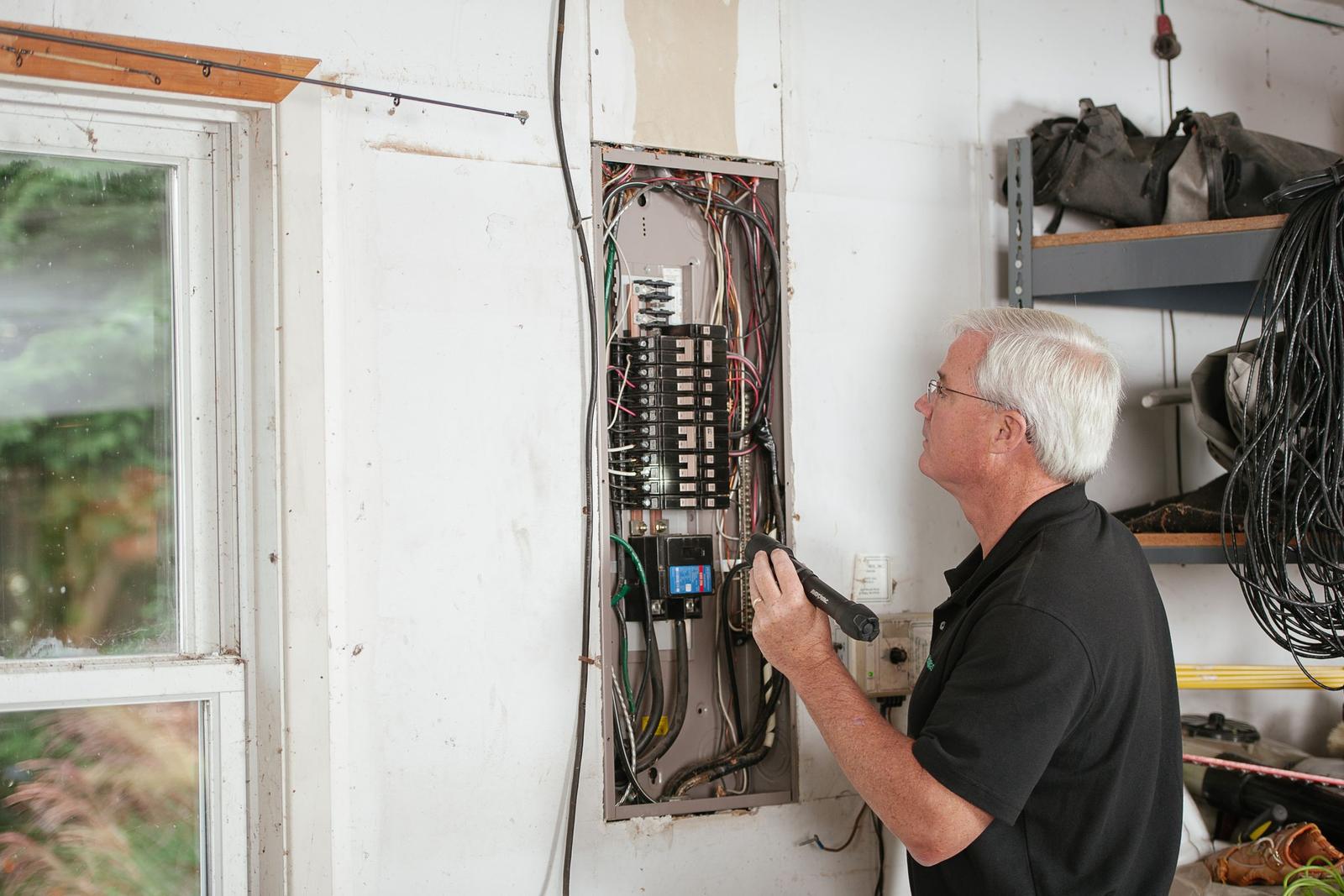
When a breaker keeps tripping or the lights start flickering, most homeowners grab their phone and search “electrician near me.” The three businesses in the map pack get most of those calls. Local SEO for electricians is how you become one of those three, and how you show up for the planned, higher-value searches too: panel upgrades, EV charger installation, and generators.
This post is part of our local SEO guide for small businesses, tuned for electrical contractors. If you’d rather have it done for you, see our electrician marketing services.
Set up your Google Business Profile categories and services
Your categories tell Google which searches you’re relevant for. Google’s guidance is to choose the most specific primary category that describes your business, then add additional categories only for real services. For most electrical contractors, the primary category is Electrician, with additional categories that match what you actually do from Google’s list.
Then fill in the rest:
- Services: list every job type you want calls for, such as troubleshooting, panel upgrades, EV charger installation, generator installation, lighting, rewiring, and commercial work.
- Description: your main services, the area you serve, and that you’re licensed and insured.
- Business name: your real name, with no added keywords. Google’s guidelines for representing your business don’t allow keyword stuffing, and it can get your profile suspended.
- Photos: real jobs, your crew, and your vehicles, added regularly.
Our Google Business Profile checklist covers every field.
Build a page for every high-value job
Google matches searches to pages. If someone searches “EV charger installation” and your site only has a general “Electrical Services” page, you’re unlikely to rank. Give each job its own page:
- Electrical troubleshooting and repair
- Panel upgrades and replacements
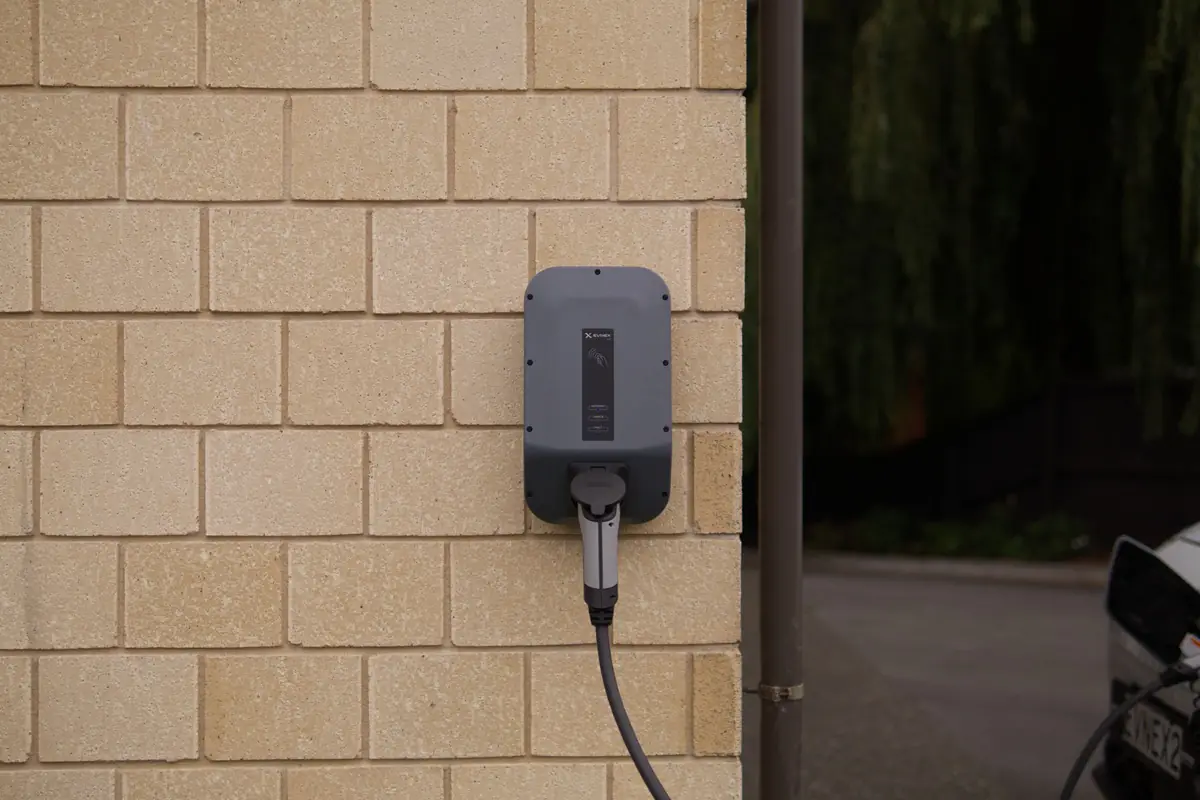
- EV charger installation
- Generator installation (portable connection and standby)
- Lighting installation (indoor, outdoor, recessed)
- Rewiring and older-home updates
- Commercial electrical, if you do it
Each page should explain the job, the signs a homeowner needs it, your process, permit and inspection notes, your license details, and a clear call to action. The full template is in how to write service pages that rank.

Use trusted sources on your job pages
Linking to respected sources makes your pages more helpful and more credible:
- Troubleshooting pages: the National Fire Protection Association’s electrical safety tips list warning signs like frequently tripping breakers, warm or discolored outlets, and flickering lights, and tell homeowners to call a qualified electrician.
- EV charger pages: ENERGY STAR’s EV charger page explains Level 1 vs. Level 2 charging, and the Department of Energy’s home charging guide notes that an electrician can check whether a home has the capacity for Level 2 charging and that permits may be required.
Google’s guidance on helpful, people-first content is the test for every page: would a homeowner with this problem find it useful?
Answer the questions buyers actually ask
The best job pages read like a good estimate visit. For a panel upgrade page, that might mean explaining the signs a home has outgrown its panel, what the permit and inspection process looks like in your area, how long power is off during the swap, and what affects the price. You don’t need to publish exact prices, but explaining what drives cost builds trust and filters out poor-fit calls. Add a short FAQ to each page using the questions your office hears on the phone every week.
Separate residential and commercial pages
Residential and commercial customers search differently and care about different things. A homeowner wants to know how fast you can come out and whether you’ll leave a mess. A property manager wants licensing, insurance, scheduling around business hours, and experience with similar buildings.
If you do both, give each its own section of the site:
- A residential hub that links to your home job pages
- A commercial hub with pages for the commercial work you want (tenant improvements, lighting retrofits, maintenance contracts)
- Separate calls to action and, ideally, separate tracking so you know which side is growing
Get reviews that mention the job
Reviews are part of what Google calls prominence, and they help customers choose. The best reviews mention the specific job, because they help future customers and give Google more context.
- Ask on the day you finish, while the customer is happy.
- Send a direct review link by text or email.
- Ask customers to mention what you did (“panel upgrade,” “EV charger install”).
- Reply to every review, especially critical ones.
- Never offer discounts or gifts for reviews. Google’s review guidance prohibits incentives.
More on building reviews and consistent listings is in reviews and citations for local businesses.
Build citations that matter for electricians
Citations are mentions of your business name, website, and contact details on other sites. Google cross-checks them, and customers use some of them to vet you. For electricians, start with:
- The major directories: Bing Places, Apple Business Connect, Yelp, and BBB
- Your state’s contractor license lookup (make sure your business name matches your license)
- Local and regional trade associations you belong to
- Manufacturer dealer or installer locators for generator and EV charger brands you’re certified with
- Your local chamber of commerce
Keep your name, website, and service area consistent everywhere. Fix old listings before adding new ones.
Service-area pages done right
If you serve several towns, build service-area pages only where you can add real local value: jobs you’ve completed there, reviews from local customers, and local details like older housing stock that often needs panel upgrades. Google’s spam policies warn against doorway pages, near-identical pages built to rank for similar searches. See how to build service-area pages for a template.
Common electrician local SEO mistakes
- Keyword-stuffed business names. “Smith Electric | Electrician Near Me” breaks Google’s guidelines.
- One page for everything. You can’t rank for EV charger installation with a page that also covers ceiling fans and commercial lighting.
- Hiding your license. Put your license number and insurance on every job page.
- Copy-paste town pages. Twenty identical pages add risk, not rankings.
- No tracking. If you don’t know which calls came from organic search, you can’t tell what’s working.
Your 90-day electrician local SEO plan
Days 1–30: fix Business Profile categories, services, description, and photos. Set up call tracking and a UTM tag on your profile link. Start asking for reviews after every job.
Days 31–60: publish or rebuild pages for troubleshooting, panel upgrades, and EV chargers. Clean up your top citations, starting with your license lookup.
Days 61–90: add generator and lighting pages, a commercial hub if you do commercial work, and one or two service-area pages with real proof. Review calls by page and service, then decide what to build next.
For what usually happens in each phase, see our 90-day local SEO timeline.
FAQ
How long does local SEO take for an electrician?
Business Profile fixes can show up within a few weeks. New pages and steady reviews usually build over a few months.
What’s the best Google Business Profile category for an electrician?
Usually Electrician as the primary category. Add additional categories only for services you actually provide.
Should I have separate pages for EV chargers and generators?
Yes. They’re distinct, researched purchases with their own searches, so each deserves a dedicated page with real photos, permit notes, and trusted sources.
Do citations still matter?
Yes, mainly for accuracy and trust. Consistent details across major directories, your license lookup, and manufacturer locators help Google and customers trust your business.
Should I run ads while SEO builds?
If your schedule has gaps, yes. Local Services Ads work well for urgent calls, and Search ads suit planned projects. Our electrician marketing page explains how we combine them.