 Sander Digital Marketing
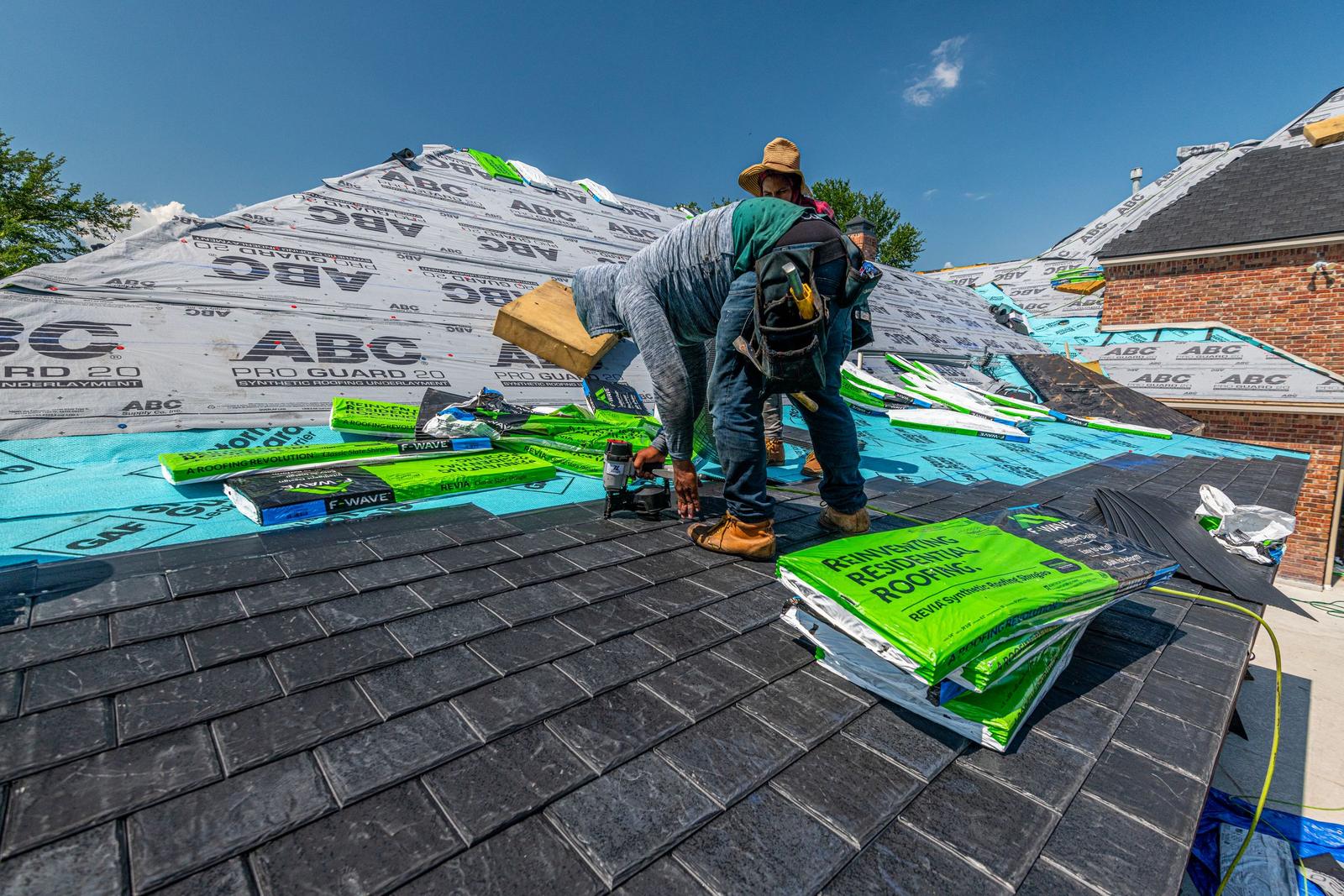
After a hail or wind storm, searches like “roof repair near me” and “storm damage roof inspection” jump overnight. The roofers who already rank in the map pack and organic results get those calls. Everyone else scrambles to build pages that Google won’t notice for weeks. Roofing SEO is how you become one of the companies that’s already there when the weather turns.
This post is part of our local SEO guide for small businesses, tuned for roofing companies. If you’d rather have it done for you, see our roofing marketing services.
Start with your Google Business Profile
Your Business Profile is often the first thing a homeowner sees. Get the basics right:
- Category. Choose the most specific primary category that fits, usually Roofing contractor, and add additional categories only for real services.
- Services and description. List each job type you do (repair, replacement, inspections, gutters, specific materials) and describe your service area in plain language.
- Service area. If you don’t serve customers at your office, hide your address and set service areas. Google allows up to 20 and recommends keeping the overall area within about two hours of driving from your base.
- Photos. Roofing is visual. Add photos of real jobs every week: tear-offs, installs, finished roofs, and your crew.
Our Google Business Profile checklist covers every field.
Build a page for every roofing service
Google matches searches to pages. A single “Roofing Services” page can’t rank well for roof repair, roof replacement, and hail damage inspections all at once. Give each core service its own page:
- Roof repair and leak repair
- Roof replacement
- Roof inspections
- Storm and hail damage
- Each roofing material you install (asphalt shingle, metal, tile, flat or low-slope)
- Gutters, if you do them
Each page should explain the job, show real photos, describe your process and timeline, and answer the questions homeowners ask. The NRCA’s guide to selecting a roofing contractor tells homeowners to look for proof of insurance, references, and a detailed written proposal, so put those front and center. The full page template is in how to write service pages that rank.

Storm damage pages, built before the storm
Google needs time to crawl and trust a new page. If your storm damage page goes live the morning after a hailstorm, you’re late. Build it now:
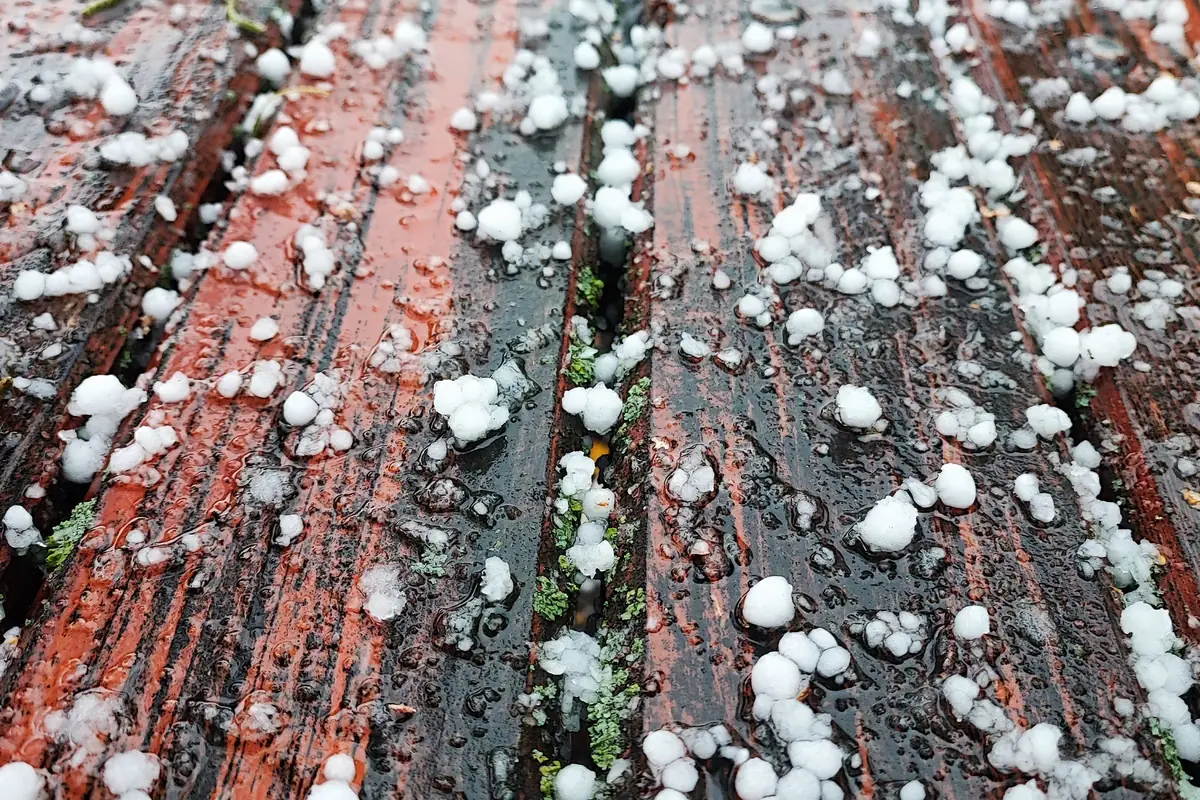
- What storm and hail damage looks like (with your own photos)
- How your inspection works and how long it takes
- What a written estimate from you includes
- What homeowners should watch out for. The FTC’s guide on avoiding home improvement scams warns about contractors who show up “in the area,” pressure for quick decisions, or ask for full payment up front. Being clear that you don’t do those things builds trust.
About insurance claims. If you help homeowners document damage for their insurance company, say exactly what you do. Rules on what contractors can say or do about a homeowner’s claim vary by state, so check yours before you publish anything about claim help. Never promise a claim will be approved.
Service-area pages without doorway risk
Roofers often serve a whole metro or several counties, which makes it tempting to clone one page for every town. Don’t. Google’s spam policies call out doorway pages: near-identical pages created to rank for similar searches that funnel visitors to the same place.
Build a service-area page only where you can add something real:
- Projects you’ve completed in that town, with photos
- Reviews from customers there
- Local notes, like common roof types in older neighborhoods or the permit office you work with
- Storms you’ve responded to in that area
One strong county page with real proof beats twenty thin town pages. See how to build service-area pages for a template.
Reviews with photo proof
Reviews are part of what Google calls prominence, and roofing buyers read them closely. Make reviews part of every job:
- Ask on the day you finish, while the crew is on site and the homeowner is happy.
- Send a direct review link by text or email.
- Ask customers to mention the job (“roof replacement,” “hail damage repair”) and to add a photo if they’re willing.
- Reply to every review, especially critical ones, calmly and specifically.
- Never offer discounts or gifts for reviews. Google’s review guidance prohibits incentives.
More on building reviews and consistent listings is in reviews and citations for local businesses.
Keep your Business Profile active
Business Profile posts and photos give homeowners something current to look at. Good roofing posts:
- A finished roof with a short description of the job and town
- Inspection availability after a storm
- Seasonal reminders, like checking for damage after winter
- Answers to common questions, like how long a replacement takes
Treat posts as a trust signal for customers first. Strong pages, accurate categories, and steady reviews do more for rankings.
Seasonal timing for roofers
Demand depends on your climate and storm season, but the rhythm is similar everywhere:
- Before storm season: publish or refresh storm damage, inspection, and repair pages. Add recent project photos.
- During the season: post availability updates after storms, request reviews from every completed job, and add new project photos weekly.
- Slower months: improve replacement and material pages, add one or two service-area pages with real proof, and clean up your citations.
New pages typically take weeks to months to gain traction, so work ahead. Our 90-day local SEO timeline shows what usually happens in each phase.
Common roofing SEO mistakes
- Keyword-stuffed business names. “Smith Roofing | Roof Repair | Best Roofer” breaks Google’s guidelines for representing your business and can get your profile suspended. Use your real name.
- Stock photos everywhere. Homeowners can tell. Real job photos from your own crews do more for trust and for your Business Profile.
- One page for every service. A single “Roofing” page can’t rank for repair, replacement, and hail damage at the same time.
- Copy-paste town pages. Twenty near-identical pages with swapped city names add risk, not rankings.
- Going quiet between storms. Reviews, photos, and page updates in slow months are what keep you ranking when the next storm hits.
- No license or insurance details. Homeowners are told to check both. Put them on every service page so they don’t have to ask.
Track calls by service
SEO should show up in booked jobs, not just rankings:
- Add a UTM tag to your Business Profile website link.
- Use call tracking on your website so you can see which calls came from organic search.
- Tag every lead by service (repair, replacement, inspection, storm) and record which ones you won.
Setup steps are in GA4 conversion tracking for small businesses.
FAQ
How long does roofing SEO take?
Business Profile fixes can show up within a few weeks. New pages and steady reviews usually build over a few months. That’s why storm pages should go live well before your storm season.
Should I create a page for every city I serve?
No. Create service-area pages only where you have real local proof like projects, reviews, or local details. Thin, copy-paste town pages can count as doorway pages under Google’s spam policies.
What’s the best Google Business Profile category for a roofer?
Usually Roofing contractor as the primary category. Add additional categories only for services you actually provide.
Do photos help roofing SEO?
They help customers decide, which is half the battle. Recent photos of real jobs on your Business Profile and service pages build trust and give Google more context about what you do.
Should I run ads while SEO builds?
If your schedule has gaps, yes. Local Services Ads and Search ads can fill them while SEO grows. Our roofing marketing page explains how we combine them.